

Among the peptides attracting serious research interest in the longevity space, few are as scientifically intriguing as Epithalon (also spelled Epitalon or Epithalamin). A short four-amino acid peptide derived from the pineal gland, it has accumulated a notable body of research — primarily from Russian scientists over several decades — suggesting effects on telomere biology, lifespan extension, and age-related disease prevention.
What Is Epithalon?
Epithalon is a synthetic tetrapeptide with the amino acid sequence Ala-Glu-Asp-Gly. It is the synthetic analogue of Epithalamin, a natural polypeptide extract isolated from bovine pineal gland tissue. Research was pioneered by Professor Vladimir Khavinson and the St. Petersburg Institute of Bioregulation and Gerontology beginning in the 1980s.
The Science of Telomeres
Telomeres are protective caps at the ends of chromosomes that shorten with each cell division. When critically short, the cell enters replicative senescence or undergoes apoptosis — a fundamental driver of biological aging. Shorter telomeres are associated with accelerated aging, increased cancer risk, cardiovascular disease, and earlier mortality. Telomerase is the enzyme that can lengthen telomeres by adding new repeats.
Epithalon and Telomerase Activation
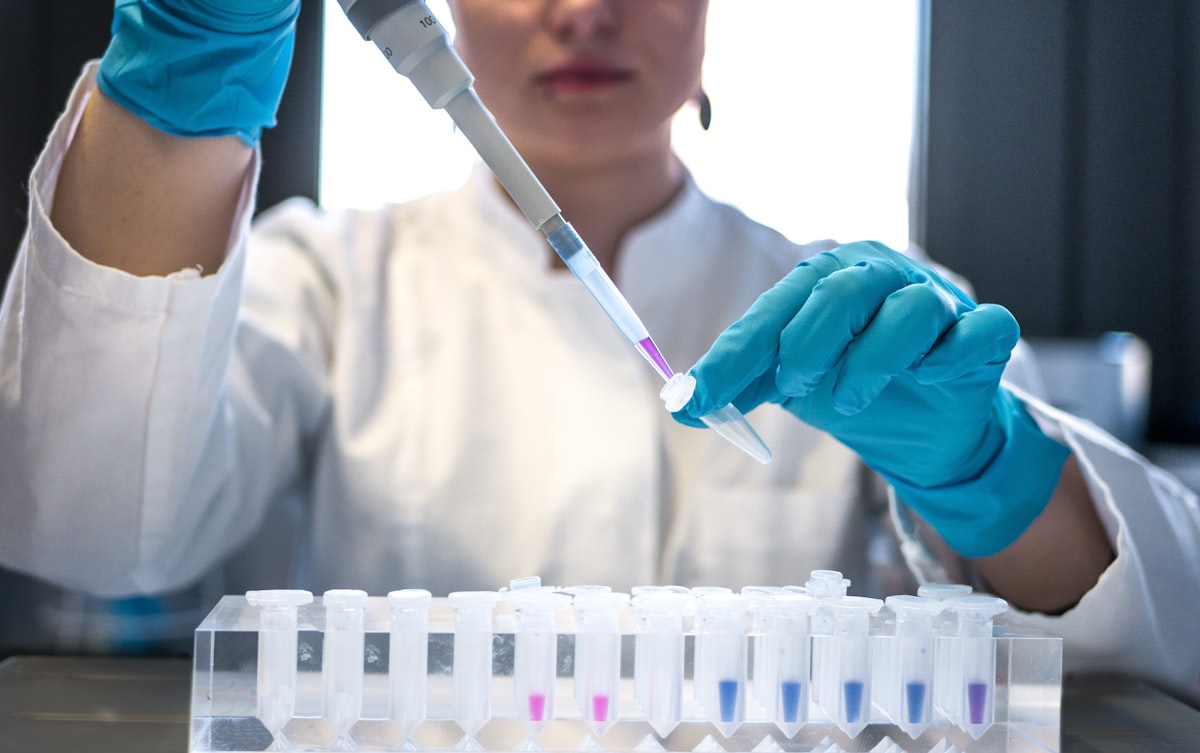
The central claim in Epithalon research is that it activates telomerase, promoting telomere elongation in somatic cells. Research published in the Journal of Anti-Aging Medicine found that Epithalon treatment of human fetal fibroblast cultures activated telomerase, increased telomere length, and extended replicative lifespan beyond the normal Hayflick limit. Multiple rodent studies showed extended maximum lifespan, reduced tumor incidence, preserved antioxidant enzyme activity, and maintained melatonin synthesis.
Broader Biological Effects
Beyond telomeres, Epithalon upregulates superoxide dismutase (SOD) and catalase, restores melatonin secretion in aged animals, modulates immune T-cell function, and influences gene expression related to cell cycle regulation and growth factor signaling.
Epithalon vs. Other Longevity Peptides
| Peptide | Primary Mechanism | Research Depth |
|---|---|---|
| Epithalon | Telomerase activation, melatonin restoration | Moderate (primarily Russian literature) |
| GHK-Cu | Gene expression modulation, collagen remodeling | Extensive |
| BPC-157 | Tissue repair, NO modulation | Extensive |
Conclusion
Epithalon occupies a unique position in longevity research — a plausible mechanism (telomerase activation and pineal restoration), an unusually long research history, and results that, if independently replicated, would represent a significant advance in aging science. Combat Research provides pharmaceutical-grade Epithalon for research applications, independently tested for purity.
For research purposes only. Not for human therapeutic use.
Related Research Articles
Shop Research Peptides at Combat Research
Combat Research supplies research-grade peptides including longevity compounds, GH secretagogues, and healing peptides. All products ≥99% purity, third-party verified.
