

IGF-1 LR3 (Insulin-like Growth Factor-1 Long R3) is one of the most potent anabolic research peptides available — a modified analogue of IGF-1 that dramatically extends the molecule’s half-life while amplifying its tissue-level activity. For researchers studying protein synthesis, muscle hypertrophy, cellular metabolism, or growth factor signaling, IGF-1 LR3 represents a uniquely powerful research tool.
What Is IGF-1 LR3?
IGF-1 LR3 is a synthetic analogue of Insulin-like Growth Factor-1 (IGF-1) with two key modifications: an arginine substitution at position 3 (replacing glutamic acid) and a 13-amino acid extension at the N-terminus. These modifications produce three critical differences from native IGF-1:
1. Dramatically Extended Half-Life: Native IGF-1 has a half-life of minutes when unbound to IGF-binding proteins (IGFBPs). The LR3 modification prevents IGFBP binding, extending the active half-life to approximately 20–30 hours — making it approximately 3x more potent than native IGF-1 in in vivo models by maintaining sustained receptor activation.
2. Resistance to IGF Binding Proteins: In circulation, ~99% of native IGF-1 is bound to one of six IGF binding proteins (IGFBPs), which regulate its activity and clearance. IGF-1 LR3’s arginine-3 substitution disrupts IGFBP binding, making the full dose bioavailable for receptor interaction.
3. Enhanced Potency: Studies comparing IGF-1 LR3 to native IGF-1 show approximately 2–3x greater potency in receptor activation assays, consistent with its improved bioavailability and extended half-life.
Mechanism of Action
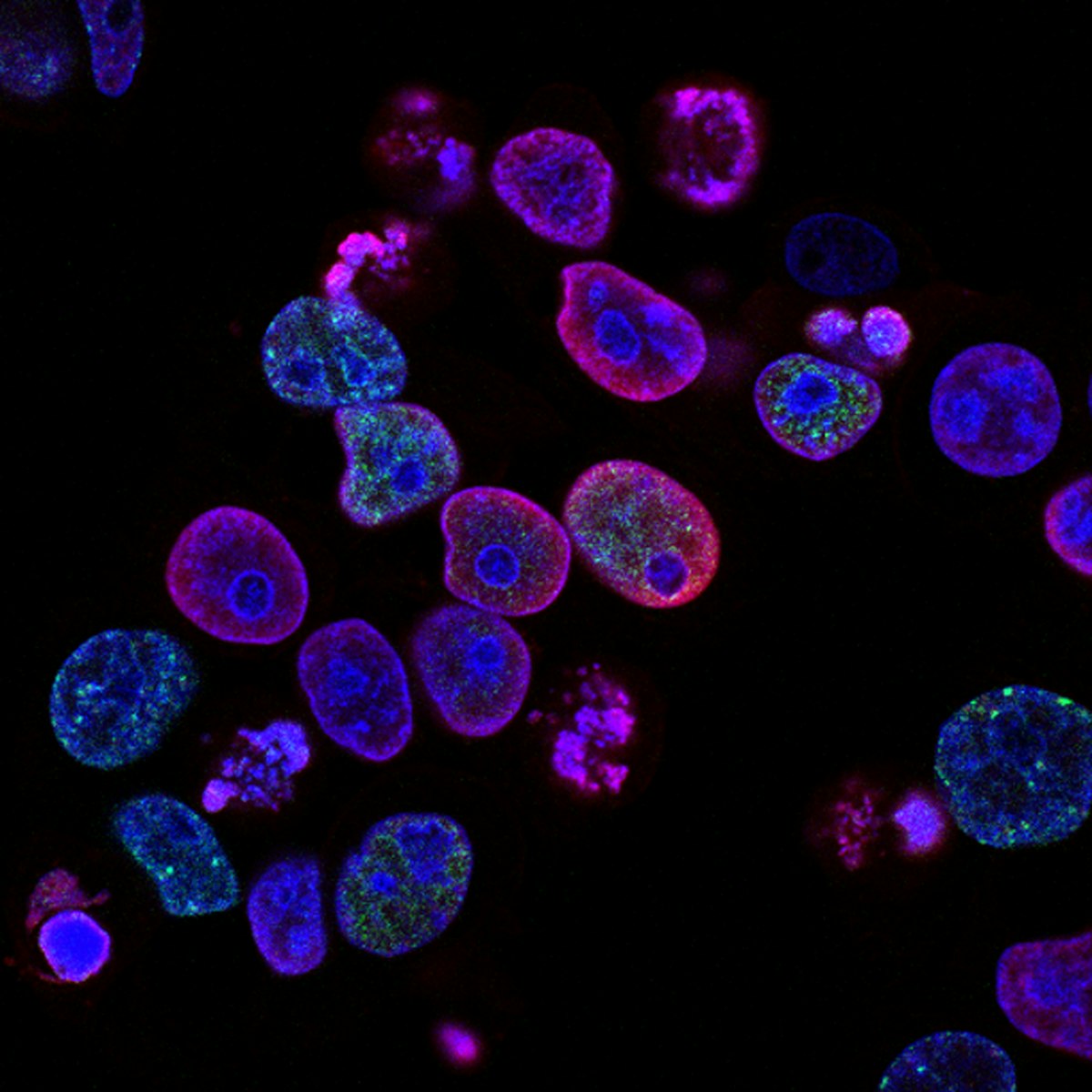
IGF-1 Receptor (IGF-1R) Activation: IGF-1 LR3 binds and activates the IGF-1 receptor — a receptor tyrosine kinase expressed in virtually every tissue in the body. IGF-1R activation initiates a cascade of intracellular signaling with wide-ranging anabolic effects.
PI3K → Akt → mTOR Pathway: The primary downstream pathway activated by IGF-1R is PI3K/Akt/mTOR — the central molecular switch for protein synthesis, cell growth, and proliferation. mTOR (mechanistic target of rapamycin) phosphorylates S6K1 and 4E-BP1, directly stimulating ribosomal biogenesis and translation initiation. This is the same pathway activated by resistance exercise and the primary target of rapamycin (mTOR inhibitor) in cancer research.
FoxO Inhibition: Akt phosphorylation inhibits FoxO transcription factors, which normally drive expression of muscle atrophy genes (MAFbx/atrogin-1, MuRF-1). IGF-1 LR3 therefore simultaneously stimulates anabolism and inhibits catabolism — a dual effect particularly relevant in muscle wasting research models.
ERK/MAPK Pathway: IGF-1R also activates the ERK/MAPK cascade, which promotes cell proliferation and differentiation — relevant to satellite cell (muscle stem cell) activation research.
Glucose Uptake: Like insulin, IGF-1 promotes GLUT4 translocation and glucose uptake in muscle cells, though with lower potency at the insulin receptor compared to insulin itself.
Research Applications
Muscle Hypertrophy Research
IGF-1 LR3 is among the most studied research peptides for muscle hypertrophy mechanisms. In vitro studies on myoblasts and myotubes consistently demonstrate dose-dependent increases in protein synthesis, cell diameter, and myonuclei number. In animal models, IGF-1 LR3 administration produces significant increases in muscle mass, fiber cross-sectional area, and strength metrics.
Satellite Cell Research
Satellite cells (muscle stem cells) express high levels of IGF-1R. IGF-1 LR3 potently activates satellite cell proliferation and differentiation — the essential process for muscle repair and hypertrophy. This makes it particularly relevant for studying muscle regeneration following injury.
Anti-Atrophy Models
IGF-1 LR3 has been studied in models of muscle wasting including denervation atrophy, immobilization, glucocorticoid-induced catabolism, and cancer cachexia. Its dual pro-anabolic/anti-catabolic signaling profile produces robust anti-atrophy effects across multiple models.
Metabolic Research
Beyond muscle, IGF-1 LR3 influences adipose tissue biology, hepatic metabolism, and bone remodeling — making it relevant for comprehensive metabolic research.
IGF-1 LR3 vs. Native IGF-1 vs. IGF-1 DES
| Feature | Native IGF-1 | IGF-1 LR3 | IGF-1 DES |
|---|---|---|---|
| Half-life | Minutes (unbound) | ~20–30 hours | ~20–30 minutes |
| IGFBP binding | Strong | Minimal | Minimal |
| Relative potency | 1x | ~3x | ~10x (local) |
| Systemic vs. local | Systemic | Systemic | Local (rapid clearance) |
Research Considerations
IGF-1 LR3’s extended half-life and high potency mean that dosing research protocols require careful design. Its insulin-like activity at high doses can affect glucose regulation — researchers studying IGF-1 LR3 should monitor glucose parameters in relevant models. Its mitogenic activity (cell proliferation stimulation) is also relevant to oncology research contexts.
Conclusion
IGF-1 LR3 is one of the most potent and mechanistically well-characterized anabolic research peptides available. Its resistance to IGFBP binding, extended half-life, and direct IGF-1R activation make it superior to native IGF-1 for most research applications. Combat Research provides pharmaceutical-grade IGF-1 LR3 verified to ≥99% purity by independent laboratory analysis.
Shop IGF-1 LR3 at Combat Research
Research-grade IGF-1 LR3 at ≥99% purity. USA domestic sourcing, same-day shipping.
Related Research Articles
- Best Peptides for Muscle Growth and Recovery
- CJC-1295 + Ipamorelin: GH Secretagogue Stack
- The Complete Guide to Peptide Stacking
For research purposes only. Not for human therapeutic use.
